What Are the Top 10 Free Web Hosting Providers in China?
Choosing free web hosting in China involves more than finding a plan with no monthly fee. In the CNNIC 54th Statistical Report, China had 1.099 billion internet users by June 2024, with internet penetration at 78%. That scale makes reliability and mobile performance practical concerns, even for a small portfolio or test site. Google and SOASTA’s 2017 mobile speed research found that 53% of visits were abandoned when pages took longer than three seconds to load. It is an older benchmark, not a promise about today’s users. Still, a slow page can lose attention quickly.
This guide compares 10 providers by checking storage, bandwidth limits, custom-domain support, SSL, backups, advertising, and upgrade costs. It also considers whether servers are located in mainland China or merely accessible from there. That distinction can affect latency, support, and setup requirements. Mainland hosting may involve additional verification or filing requirements, so check current rules with the provider and relevant official sources. Free is not frictionless. Some plans restrict traffic, display ads, or offer limited support; terms can change, too. The comparisons are a starting point, not a substitute for testing a provider with your own site and audience. A free web hosting plan may suit a simple project, but read the limits before uploading files or committing a domain.

How Free Web Hosting Works in China
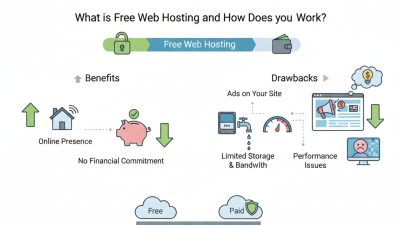
Free web hosting gives a site space on a shared server, usually with limited storage, bandwidth, and technical support. Providers may fund these plans through advertising or use them to introduce paid upgrades. A free account often includes a subdomain rather than a custom domain. The exact limits vary, so check whether traffic caps, backups, and SSL certificates are included.
China’s audience is large: CNNIC’s 55th Statistical Report recorded 1.108 billion internet users and 78.6% internet penetration by December 2024. That scale makes page speed and mobile layout important. A server far from visitors can add latency, while shared servers may slow during busy periods. Mainland hosting can involve local compliance requirements, so confirm current obligations before publishing. The trade-off is easy to underestimate: free hosting saves money, but gives you less control when performance or support matters.
Tip: Test your pages from the regions you expect visitors to use. Compress images, keep pages light, and check uptime over several days. Read the provider’s limits before uploading files. Free can be useful for learning or a small test site, but it is not a promise of stable service.
Criteria for Evaluating Free Hosting Providers
A useful comparison starts with measurable limits, not a “free” label. Check monthly traffic, storage, database access, and whether the plan adds advertisements. Small print matters. Test response time from several locations in China, at different hours, and repeat the test; one fast result proves little. Google’s 2017 mobile-speed research reported that 53% of visits were abandoned when pages took longer than three seconds to load. Treat that figure as a warning, not a promise about every visitor or network.
Reliability deserves equal weight. The Uptime Institute’s 2024 Annual Outage Analysis found that more than half of surveyed organizations said their latest significant outage cost over $100,000. A personal site has different stakes, but even brief downtime can disrupt a portfolio or contact form. Look for a public status page, backup options, clear suspension rules, and a way to export your files. Then check whether HTTPS, support, and renewal terms are included. That test is imperfect. Free plans can change without much notice, so keep a separate copy of your content and record actual uptime for several weeks before relying on the service.
The Top 10 Free Web Hosting Providers in China
The top 10 free web hosting providers in China are best compared by practical limits, not slogans. Free plans change. Treat any ranking as a starting point, not a promise. Check mainland access, storage, monthly traffic, SSL, custom-domain support, database access, backups, uptime records, upgrade costs, and account restrictions. These ten details reveal more than an “unlimited” badge.
A simple portfolio may work well on static hosting, while a database-driven site needs compatible server features. Test loading from different local networks; a page that opens quickly in one city may lag in another. Check whether the free plan displays ads or sleeps after inactivity. Read the renewal terms too. A neat comparison table can still miss sudden plan changes, so verify details before moving a live site.
Tips: Upload a small test page and check it on a phone over mobile data. Test it twice. Keep a local copy of your files, and avoid storing important visitor information on a free plan unless its security and backup practices are clearly explained.
How to Choose a Free Host for Your Website
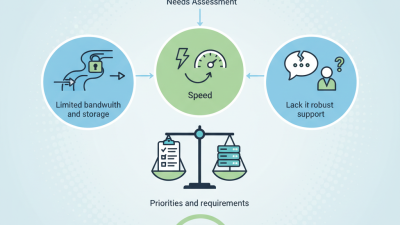
Choosing a free web host for visitors in China means testing real performance, not trusting a “fast” label. Check whether the server is near your audience, then load the same page from several Chinese cities. A page that opens quickly in one location may stall elsewhere. Free is rarely frictionless.
Read the limits before uploading anything. Compare monthly traffic, storage, file size, database access, and whether the host places advertisements on your pages. Look for HTTPS, routine backups, and a clear way to export your files. Try the control panel and support channel before building a full site; a slow reply about a simple setup question is useful evidence. I would not treat a free plan as a backup system.
Think about your site’s next six months. A small portfolio may fit within tight limits, while image-heavy pages can use bandwidth quickly. Check upgrade prices and whether your domain can move with you. Also confirm the current hosting and domain requirements for your intended deployment, since they can vary. That trade-off matters. Keep a local copy of your site, and test the host again after publishing.

 Overwhelmed? We're here to help.