What is a VPS Server and How Does It Work?
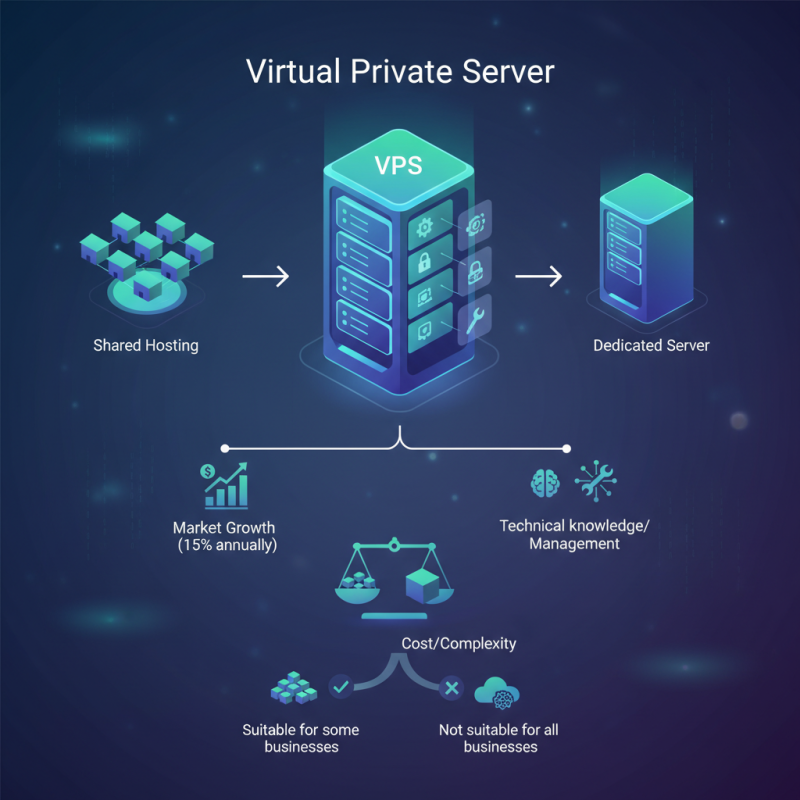
In today's digital landscape, businesses increasingly turn to VPS servers for hosting solutions. According to a recent report by Statista, the VPS hosting market is expected to grow by over 15% annually. This signifies a rising demand for robust and flexible server options.
VPS servers provide a balance between shared hosting and dedicated servers. They allow users to enjoy customized environments at a reasonable cost. These servers give clients root access and dedicated resources, ensuring better performance and security. However, the management of these servers requires some technical know-how. Organizations must balance their needs with available resources.
Despite their advantages, many businesses overlook the complexities of VPS management. Costlier options might deter some users, yet the benefits often outweigh the expenses. It's crucial to assess the specific requirements and capabilities before making a decision. VPS servers can be a powerful tool, but they may not suit every business.
What is a VPS Server?
A VPS server, or Virtual Private Server, offers a middle ground between shared hosting and dedicated servers. It provides users with their own dedicated section of a physical server. This setup allows for more control, flexibility, and resources compared to standard shared hosting. Users can install custom software and configure their environment based on needs.
When considering a VPS, think about performance. Unlike shared hosting, you will not share resources with other users. This means that traffic spikes on other sites won't affect your server. However, setting up a VPS requires some technical knowledge. If you're not tech-savvy, it might seem overwhelming at first.
Tips: Always make backups of your data. VPS servers can crash too. Regularly monitor performance metrics to avoid sudden downtimes. Understand the limitations of your plan, as not all VPS setups are created equal. If you push the limits, you may need to upgrade sooner than expected. Proper planning is crucial for a smooth experience. Your knowledge will grow over time, but start simple.
Key Features of a VPS Server
A VPS server, or Virtual Private Server, stands out for its unique features. It offers dedicated resources, which means each user gets a specific amount of CPU, RAM, and storage. According to industry reports, VPS hosting can significantly improve website load times by up to 80% compared to shared hosting. This makes it a popular choice for businesses aiming to enhance performance.
Another key feature is the customizable environment. Users can install software and configure settings tailored to their needs. This flexibility often leads to better resource management. Yet, many new users struggle to optimize their setups. A noteworthy study highlights that about 30% of VPS users report challenges in managing server configurations effectively.
Security is also a vital aspect of VPS hosting. It provides isolation from other users, reducing the risk of potential attacks. Data from security firms suggests that VPS servers experience 50% fewer security breaches than shared hosting environments. However, the responsibility for maintenance shifts to the user. This can be overwhelming for small businesses without dedicated IT teams.
How VPS Servers Differ from Shared and Dedicated Hosting
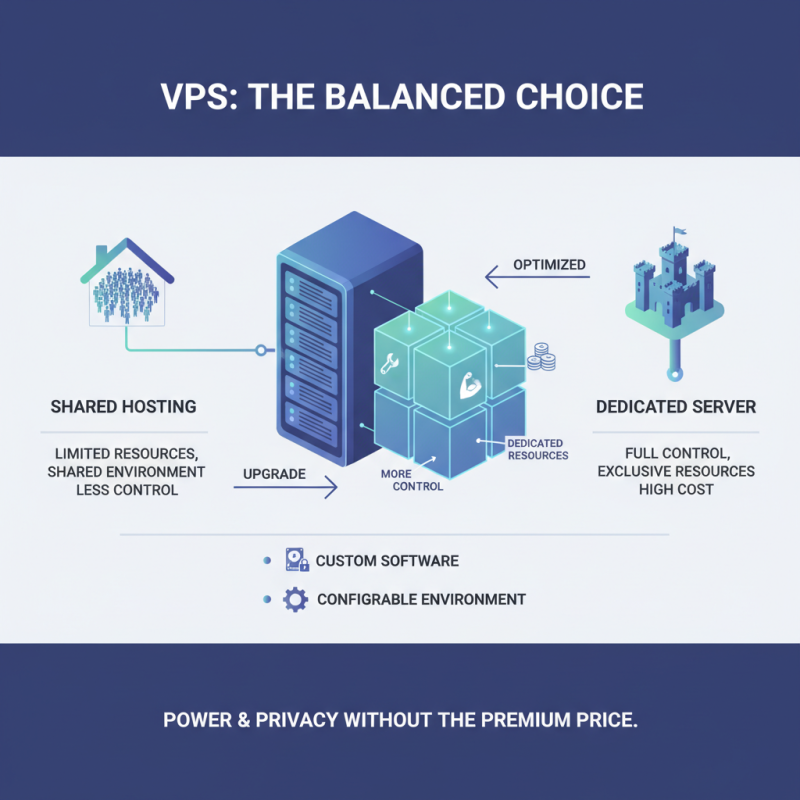
Understanding the differences between VPS, shared, and dedicated hosting helps you choose wisely. VPS, or Virtual Private Servers, offers a middle ground. Unlike shared hosting, where multiple users share resources, a VPS provides dedicated resources within a larger server. This setup allows for better performance and reliability. According to industry reports, VPS hosting can improve loading speeds by up to 50%, enhancing user experience.
Shared hosting is cost-effective but not without drawbacks. Users often face limitations on resources. Performance can be impacted by the actions of others on the same server. In contrast, dedicated hosting offers unrivaled control and resources. However, the costs can be prohibitive for many. VPS strikes a balance, offering isolation without the high price tag of dedicated options.
Tips: When choosing a VPS, consider your current needs and potential growth. A flexible plan can save costs in the long run. Security is another vital factor. VPS offers better isolation, but not all providers are equal. Always review security measures in place before making a decision. Investing time in research can pay off significantly.
VPS Server vs Shared Hosting vs Dedicated Hosting
Understanding VPS Server Architecture and Functionality
A Virtual Private Server (VPS) is a bridge between shared hosting and dedicated servers. This architecture allows users to enjoy the benefits of a dedicated resource allocation while still being part of a larger server environment. A VPS operates on virtualization technology, which partitions a physical server into multiple isolated virtual servers. Each user receives their own OS, guaranteed resources, and the flexibility to customize their environment.
Industry reports indicate that approximately 30% of businesses leverage VPS hosting for its scalability and control. Users can modify server configurations without affecting others. This independence is critical. Many small to medium-sized enterprises experience traffic surges during peak periods. A VPS offers the resources needed to handle such fluctuations. The server can be optimized for specific applications, enhancing performance.
Despite its advantages, a VPS is not immune to challenges. Users must manage their environments, which can be daunting without technical knowledge. Misconfigurations can lead to security vulnerabilities. Additionally, while VPS hosting is more affordable than dedicated servers, costs can escalate with increased resource needs. This constant need for balance can be a source of stress for businesses.
Use Cases: When to Choose a VPS Server for Your Needs
When considering a VPS server, evaluate your specific needs. It's ideal for websites that experience moderate traffic. If you run an online store, a VPS can handle customer transactions smoothly. It offers better performance than shared hosting. You won't share resources with others. This can lead to faster load times and a more reliable experience for visitors.
Developers and businesses often choose VPS for app testing and development. It allows for customization without the constraints of a shared environment. Flexibility is key; you can install the software you need. However, managing a VPS requires some technical skills. It's essential to understand server configurations and maintenance. This responsibility can be daunting for someone without technical background.
VPS is also a good fit for those who want to scale. You can easily upgrade resources as demands grow. However, this process isn't always seamless. It may involve downtime or technical adjustments. Reflect on your long-term goals before making the switch. That way, you ensure that your choice will serve your needs effectively.
What is a VPS Server and How Does It Work? - Use Cases: When to Choose a VPS Server for Your Needs
| Use Case |
Description |
Benefits |
| Web Hosting |
Hosting websites and applications with dedicated resources. |
Improved performance, control, and flexibility compared to shared hosting. |
| Development and Testing |
Creating isolated environments for software development and testing. |
Ability to simulate production environments without affecting live applications. |
| E-commerce Applications |
Running online stores that require reliable uptime and security. |
Increased security and reliability, improving user trust and sales. |
| Game Hosting |
Hosting online multiplayer games with low latency. |
Enhanced performance and customized server settings for optimal gaming experience. |
| Backup Solutions |
Storing data backups securely in a virtual environment. |
Reliable data protection with quick access to backups when needed. |

 Overwhelmed? We're here to help.