What Is a Hamper Gift Box and Why Buy It in Bulk?
A Hamper Gift Box is more than a container filled with attractive products. It is a carefully arranged experience, often combining food, drinks, self-care items, or seasonal treats. The box creates anticipation before the recipient opens it. Small details matter, such as tissue paper, ribbon, product spacing, and a handwritten card.
Gift industry consultant Sarah Robins says, “A successful hamper should feel personal, even when it is prepared in large numbers.” That idea explains why businesses buy Hamper Gift Box collections in bulk. Bulk purchasing can reduce unit costs, simplify supplier communication, and support consistent branding. It also helps companies prepare client gifts, employee rewards, wedding favors, and seasonal campaigns without repeated ordering.
The savings are not automatic.
Buyers still need to check product quality, shelf life, packaging strength, delivery schedules, and customization options. A low-priced hamper may become expensive if damaged boxes arrive late or unsuitable products remain unused. I have also found that attractive packaging cannot repair poor product selection. Recipients may value practical items more than impressive decoration.
A thoughtful bulk order balances efficiency with genuine choice. It considers dietary preferences, cultural expectations, storage conditions, and the brand’s environmental goals. Recyclable materials can strengthen the presentation, but only when they protect the contents properly. This guide explores what a Hamper Gift Box includes, how bulk buying works, and which questions buyers should ask before placing a larger order.
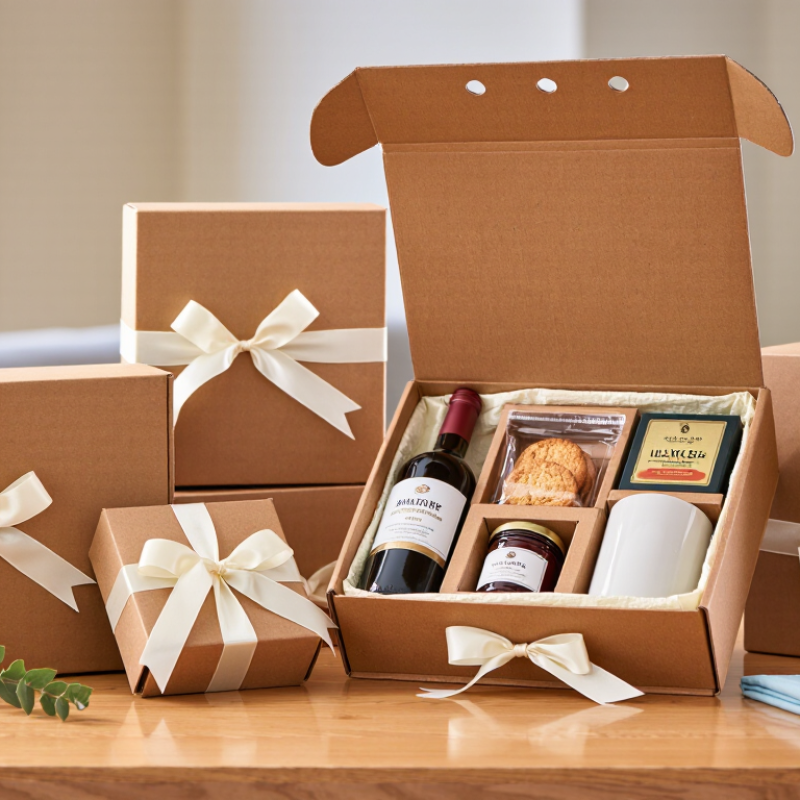
Hamper Gift Boxes Defined: Formats, Contents, and Gifting Purposes
A hamper gift box is a curated container holding several useful or enjoyable items. Unlike a single present, it creates a small opening experience. Common formats include rigid cardboard boxes, wooden trays, woven baskets, and recyclable sleeve packs. The format affects protection, presentation, storage, and delivery costs.
Contents usually follow a theme, occasion, or recipient profile. A food hamper may include biscuits, tea, preserves, dried fruit, and chocolate. A wellness version might contain soap, a candle, a towel, and herbal products. Seasonal hampers often combine practical items with decorative details, such as tissue paper, ribbons, or handwritten cards. Contents should be checked carefully for allergens, expiry dates, packaging damage, and accurate product information. Small mistakes can weaken customer trust.
Hamper gift boxes serve many purposes. Individuals use them for birthdays, holidays, housewarmings, and thoughtful thank-you gifts. Organizations may select them for employee recognition, client appreciation, or event hospitality. Buying in bulk can reduce unit costs and simplify packing when the contents are standardized. It can also improve consistency across multiple recipients. However, bulk purchasing is not automatically better. Storage space, changing preferences, damaged stock, and excess packaging require attention. In practical packing work, I have found that a slightly smaller assortment often feels more considered. Bigger is not always better. A reliable supplier should provide clear specifications, stable delivery schedules, and samples before a large order. Preferences still vary. That part deserves honest review.
What Is a Hamper Gift Box and Why Buy It in Bulk?
Hamper gift boxes combine coordinated products in one presentation-ready package for food, wellness, seasonal, corporate, and personal gifting.
The chart compares common hamper formats by the number of product categories typically included. Buying in bulk can simplify consistent presentation, reduce per-unit packaging and fulfillment effort, and support larger gifting programs.
Market Demand: NRF Recorded $964.4B in U.S. 2023 Holiday Sales
What Is a Hamper Gift Box and Why Buy It in Bulk?
A hamper gift box combines selected items in one attractive package. It may include snacks, beverages, candles, stationery, or seasonal treats. The format suits employee rewards, client appreciation, and holiday gifting. Recipients open one box and discover several useful items.
Market demand supports this gifting model. The National Retail Federation recorded $964.4 billion in U.S. holiday sales in 2023. That figure shows how strongly consumers spend during the holiday season. Businesses can use bulk hamper orders to prepare for this concentrated demand. Larger quantities may reduce packaging costs and simplify delivery planning. They also create a consistent presentation across many recipients.
However, bulk buying needs careful control. Check product shelf life before ordering. A warehouse should stay dry, clean, and temperature controlled. Confirm each box contains the same items and quantities. One missing product can damage trust quickly. Personalization also matters, even in large orders. A short handwritten note may feel warmer than a generic card. Bulk is not always cheaper. Storage fees, damaged goods, and unused stock can change the calculation. I have found that a smaller test order often reveals packaging weaknesses early. That step may seem slow, but it prevents expensive corrections later.
Bulk Purchasing: Unit Economics, MOQ, Freight, and Supplier Discounts
A hamper gift box combines selected items in a presentation-ready package. It may include snacks, drinks, self-care products, or seasonal treats. Buying these boxes in bulk can reduce costs, but only when the numbers are checked carefully. A low unit price is not always a real saving.
Start with unit economics. Add the product cost, packaging, assembly, inspection, storage, and freight. Then divide the total by the number of sellable boxes. For example, a 500-box order may appear affordable until oversized cartons increase delivery charges. Ask suppliers about their minimum order quantity (MOQ), production capacity, lead time, and payment terms. Larger orders often unlock tiered discounts, but excessive stock can damage cash flow. That lesson is easy to overlook. In sourcing reviews, I have seen buyers accept a discount while storing unsold seasonal hampers for months. Request a written quotation with carton dimensions and shipping assumptions. A reliable supplier should explain every charge clearly and provide samples before production.
Tips: Compare at least three quotations using the same specifications. Negotiate packaging separately, since decorative materials can raise freight costs quickly. Check breakage risks, delivery schedules, and replacement policies. Leave room for a small quality-inspection budget. A cheaper supplier may require more supervision. That is not always cheaper.
What Is a Hamper Gift Box and Why Buy It in Bulk? — Bulk Purchasing: Unit Economics, MOQ, Freight, and Supplier Discounts
Illustrative bulk-purchasing model for a standard gift hamper containing packaged merchandise, a presentation box, protective fill, and an insert card.
| Order Quantity | MOQ Status | Supplier Unit Price | Supplier Discount
vs. 100-Unit Tier | Setup Cost
per Order | Inbound Freight
per Shipment | Freight Cost
per Unit | Estimated Landed
Cost per Unit | Total Procurement
Outlay | Net Savings vs.
100-Unit Tier |
| 100 units | Meets MOQ | $18.00 | 0.0% | $120.00 | $180.00 | $1.80 | $21.00 | $2,100.00 | $0.00 |
| 250 units | Meets MOQ | $16.50 | 8.3% | $120.00 | $240.00 | $0.96 | $17.94 | $4,485.00 | $765.00 |
| 500 units | Meets MOQ | $15.00 | 16.7% | $120.00 | $320.00 | $0.64 | $15.88 | $7,940.00 | $2,560.00 |
| 1,000 units | Meets MOQ | $13.75 | 23.6% | $120.00 | $450.00 | $0.45 | $14.32 | $14,320.00 | $6,680.00 |
| 2,500 units | Meets MOQ | $12.50 | 30.6% | $120.00 | $700.00 | $0.28 | $12.83 | $32,075.00 | $20,425.00 |
| Main cost trend | $21.00 → $12.83 | 38.9% lower landed unit cost at 2,500 units |
Calculation basis: Supplier unit prices represent tiered packaging-and-merchandise prices for a comparable hamper specification. Estimated landed cost per unit equals supplier unit price plus setup cost per unit plus inbound freight per unit. Total procurement outlay equals supplier merchandise cost plus setup cost plus inbound freight. Freight figures are planning assumptions for consolidated commercial shipments and should be replaced with a route-specific quotation.
Why bulk purchasing can help: Larger orders spread fixed setup charges and freight across more units while potentially unlocking lower supplier price tiers. The buyer should compare the savings with storage capacity, cash-flow requirements, product shelf life, forecast accuracy, and the risk of excess inventory.
Packaging and Sustainability: EPA Reports 82.2M Tons of U.S. Packaging Waste
A hamper gift box combines several items in one presentation-ready package. It may hold food, toiletries, stationery, or seasonal products. Buying these boxes in bulk can lower unit costs and reduce repeated supplier deliveries. It can also simplify packing during busy sales periods. However, bulk purchasing only helps when the quantity matches actual demand. Overstocked boxes may sit in storage, collect dust, or become outdated.
The environmental concern is substantial. The U.S. Environmental Protection Agency reports 82.2 million tons of packaging waste in the United States. That figure includes paper, cardboard, plastic, glass, and other materials. A single gift box seems small. Millions are not. Buyers should examine box weight, recycled content, coatings, inserts, and tape requirements before ordering. A lightweight corrugated box may use fewer resources, but local recycling rules still matter.
Practical planning makes a difference. Measure the products first, then choose a close-fitting box to reduce filler. Paper shred, molded fiber, or reusable fabric can replace some plastic cushioning. Ask suppliers for material specifications and realistic recycling guidance. Avoid vague claims such as “eco-friendly” without evidence. Bulk orders can reduce transport emissions per box, yet they may create unnecessary stock. That trade-off deserves honest review. Measure first. Adjust the next order.

 Overwhelmed? We're here to help.