What is Free Web Hosting and How Does It Work?
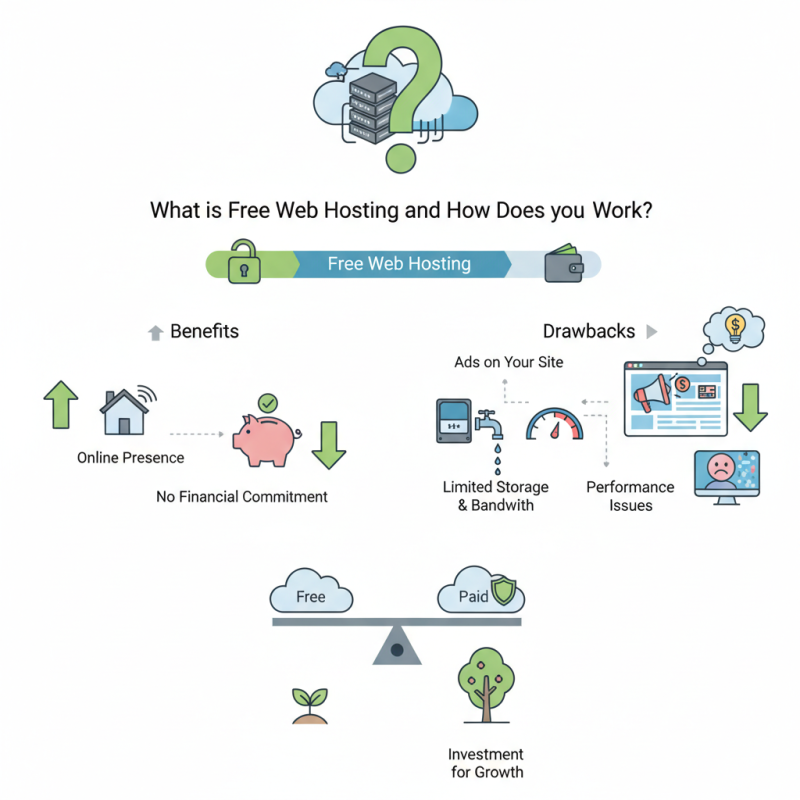
Free web hosting is an appealing option for many individuals and businesses. It offers a way to establish an online presence without a financial commitment. However, the benefits often come with certain drawbacks. Understanding how free web hosting works is essential for anyone considering this choice.
When you choose free web hosting, you typically don’t pay for server space. Instead, hosting companies may display ads on your site. They take advantage of your website's traffic to generate revenue. This can limit your site’s professional appearance and user experience. The storage and bandwidth provided are often limited, which can affect site performance and accessibility.
Many users find that free web hosting serves their initial needs. Yet, as your site grows, you may encounter challenges. Users often reflect on their choices, realizing that investing in a paid service could yield better results. Balancing the appeal of free web hosting with potential limitations is crucial for long-term success.
What is Free Web Hosting? A Comprehensive Overview
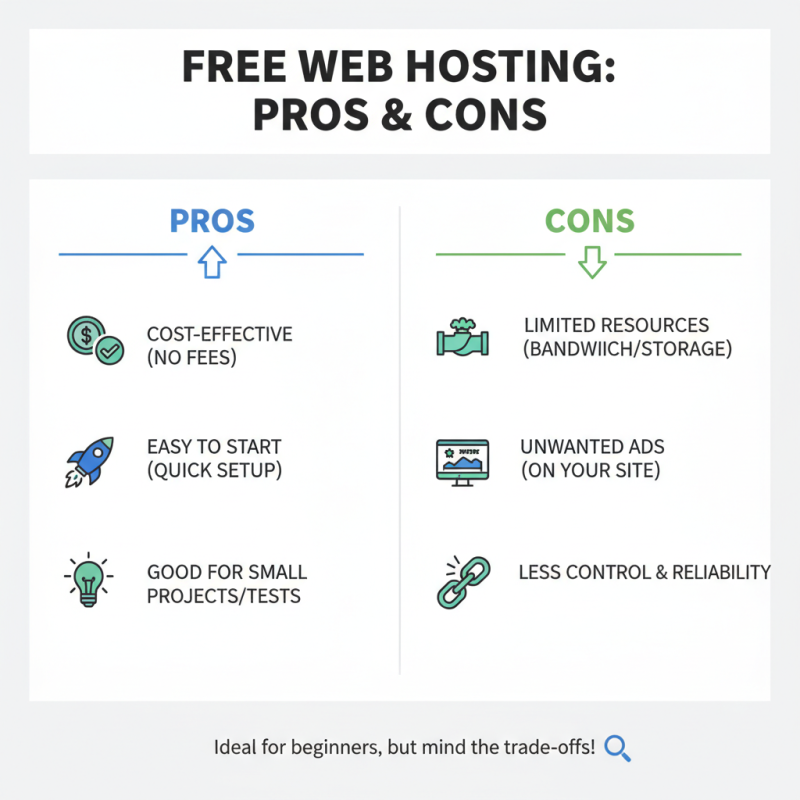
Free web hosting is an attractive option for many. Individuals and small businesses often seek cost-effective ways to get online. This service allows users to create websites without paying for hosting. While appealing, free web hosting comes with limitations. Users may face restrictions on bandwidth and storage. Some services display ads on websites. This can detract from the user experience.
Performance can vary significantly. Many free hosts have slower loading times. This can frustrate visitors and affect search rankings. Support is often minimal or non-existent. Users must rely on community forums for help. In some cases, users may lose their websites if the provider shuts down. This unpredictability can be concerning for serious projects.
One must reflect on their needs. For personal blogs or test projects, free hosting might suffice. However, for business sites, investing in reliable hosting is wise. The potential downsides of free hosting should not be overlooked. Users need to evaluate their priorities. Ultimately, this choice may shape online presence.
Key Features of Free Web Hosting Services Explained
Free web hosting services provide users with a platform to create and manage websites without costs. These services are popular for personal projects or small businesses testing the waters. They often come with limited features compared to paid hosting. Users can expect basic website storage, but options for customization may be restricted.
Common features include a subdomain instead of a primary domain. This can impact branding and professionalism on a personal site. Support for customer inquiries may vary, often limited to forums or email. Reliability can also be questionable, with potential downtime leading to frustrations. Some services may include ads that disrupt user experience, a trade-off for free access.
Security features are essential yet often minimal in free hosting. Users need to be aware of data privacy risks. It is also crucial to think about backup options. Many free services do not provide reliable backups, which can lead to data loss. Users may find themselves on a platform that does not support long-term growth or scalability. It's a gamble that may require careful consideration.
Free Web Hosting Service Features Comparison
This chart compares various features of free web hosting services, including storage capacity, bandwidth, number of websites, support hours, and the presence of ads. The values in the chart illustrate typical limits and options available with most free web hosting offerings.
How Free Web Hosting Providers Monetize Their Services
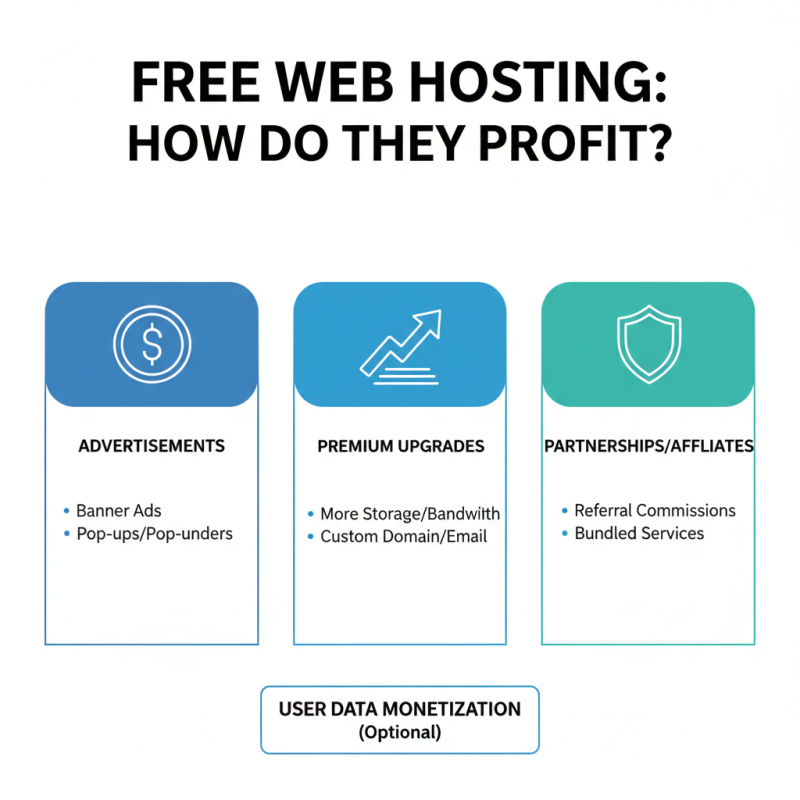
Free web hosting has become a popular choice for individuals and small businesses. Many users are drawn to the idea of having a website without any upfront costs. Yet, the question arises: how do these providers sustain their services financially? The answer often lies in various monetization strategies.
One common approach is ad placement. Free hosting providers might display banners or pop-up ads on users' sites. These ads can generate significant revenue, especially if a website attracts many visitors. However, users may find these intrusive. It can lead to a poor user experience and discourage audience engagement.
Additionally, some free hosting services limit features and resources. They often offer basic storage and bandwidth, urging users to upgrade for more. Users might feel frustrated when they realize the service's limitations. This can make them rethink their choices. In this way, providers can coax free users into paid plans. It's a complex ecosystem that demands careful consideration by those seeking free hosting solutions.
Benefits and Drawbacks of Using Free Web Hosting Solutions
Free web hosting offers a way for individuals and small businesses to create an online presence without financial commitment. It’s appealing for those starting out, but it comes with its own set of challenges. One primary benefit is the cost; you get to build a website without upfront fees. However, free hosting services often impose restrictions. You might encounter limited bandwidth and storage. This can hinder your site's performance as traffic grows.
Another aspect to consider is customer support, which is typically minimal. If something goes wrong, you might need to troubleshoot on your own. Additionally, many free hosts display ads on your site. This can detract from your brand image and frustrate visitors. Security can also be a concern. Free hosting solutions may not provide robust protection against cyber threats. If your data is compromised, it could lead to significant issues.
Ultimately, while free web hosting seems enticing, it's essential to weigh these drawbacks. Evaluate your needs carefully. Are you willing to compromise on support, speed, and security? Sometimes, investing in a reliable hosting solution may lead to better long-term results. Reflect on what you value most for your website's success.
What is Free Web Hosting and How Does It Work? - Benefits and Drawbacks of Using Free Web Hosting Solutions
| Aspect |
Description |
| Definition |
Free web hosting refers to hosting services that do not charge users for their hosting needs. |
| Cost |
No monetary cost, but may involve trade-offs like ads or limited features. |
| Storage |
Typically offers limited storage space, often suitable for small personal websites. |
| Bandwidth |
Limited bandwidth, which can affect site performance during peak times. |
| Customization |
Often limited; users might not have full control over site design or functionalities. |
| Technical Support |
Generally minimal support, relying on community forums rather than direct assistance. |
| Advertisements |
Most free services display ads on users' websites as a revenue model. |
| Reliability |
May lack reliability; free hosting services can have frequent downtime or outages. |
| SEO Impact |
Potential negative impact on SEO due to limited features and control. |
| Suitable For |
Great for personal projects, testing, or learning, but not ideal for business use. |
Industry Statistics: Free Web Hosting Market Trends and Growth
The free web hosting market is growing rapidly. More people are seeking cost-effective solutions to establish their online presence. In fact, around 30% of all websites use free hosting services. Many entrepreneurs and small businesses opt for these options to save on budget. However, quality and reliability can vary. Users might face limitations on bandwidth or storage.
Tips: Always read the terms of service. Some free hosts have hidden fees. Understand what you get before committing. Make sure you can upgrade if necessary.
Statistics show that the free web hosting sector is expected to grow by 25% in the next few years. As users become more tech-savvy, they seek flexible solutions. The demand for user-friendly interfaces and strong community support rises. Yet, many find themselves struggling with the lack of features or customer service from free options. It's a balancing act that's not easy to navigate.
Tips: Consider what you need for your website. Don't rush into choosing a provider. Take your time and research your options. A poor choice can lead to frustration and wasted time.

 Overwhelmed? We're here to help.