10 Essential Tips for Choosing the Right Virtual Server Hosting
In the rapidly evolving digital landscape, choosing the right virtual server hosting is crucial for businesses of all sizes. A recent industry report highlighted that nearly 70% of companies prioritize scalability when selecting their hosting solutions. This statistic underscores the importance of adaptability in today’s fast-paced environment. Experts suggest that virtual server hosting is essential for supporting business growth and operational efficiency.
John Smith, a renowned expert in cloud technologies, once stated, “A well-chosen virtual server hosting solution can be the backbone of a successful digital strategy.” His insights reflect the growing reliance on virtualization for performance and cost-effectiveness. However, with numerous options available, many businesses struggle to identify the best fit for their needs.
It’s important to recognize that not every virtual server hosting provider offers the same level of service. Many organizations fail to evaluate performance metrics adequately, leading to regrettable choices. By understanding the key factors involved in selecting a provider, companies can avoid potential pitfalls. This process requires a careful examination of not just current requirements, but also future needs as technology continues to advance.

Understanding Virtual Server Hosting and Its Benefits
Virtual server hosting offers several advantages for businesses and individuals alike. It provides a dedicated space that mimics a physical server. Users have control over their server settings without the expense of managing hardware. This flexibility allows for tailored configurations to meet specific needs.
Understanding the benefits is crucial. Cost efficiency is a key factor. Virtual servers require less investment compared to physical servers. Scalability also stands out. As your needs grow, you can easily adjust resources. However, awareness of potential security challenges is important. Not all providers offer the same level of protection. It’s essential to do thorough research.
Choosing a virtual server can feel daunting. You must consider performance, support, and reliability. Sometimes, the user interface can be confusing. Small businesses may overlook the importance of technical support. Unforeseen issues can arise if help is unavailable when needed. Balancing these factors is vital for a successful hosting experience.
Identifying Your Hosting Needs and Requirements
When selecting a virtual server hosting solution, understanding your hosting needs is crucial. A recent study shows that 70% of businesses fail to identify their specific requirements before choosing a hosting service. This oversight can lead to performance issues and increased costs. For instance, if your website features heavy traffic or requires substantial data processing, you need a robust server configuration, not a basic plan.
Consider scalability as well. A survey by a well-known tech firm indicates that 65% of companies require scalability within six months of launching their operations. Choosing a server that allows for easy upgrades is important. This flexibility can save time and headaches down the road, especially when your business grows rapidly or faces unexpected demand spikes.
Security is another significant component. According to cybersecurity reports, 43% of cyberattacks target small businesses. If your hosting service lacks essential security features, you’re putting your business at risk. Analyze whether the provider offers SSL certificates, firewalls, and regular backups as part of their packages. Be critical about these factors to avoid compromising your data safety. Finding the right virtual server hosting is more than just a cost assessment; it’s about aligning the service with your actual needs and anticipating future growth.
Key Features to Look for in Virtual Server Hosting Plans
When choosing a virtual server hosting plan, there are key features to consider. One crucial aspect is the amount of available RAM. More RAM supports better performance, especially for resource-intensive applications. Look for plans that offer scalability. You may need to upgrade as your business grows.
Another important feature is the availability of a user-friendly control panel. A simple interface makes managing your server easier. It should be intuitive and provide quick access to vital configurations. Don't overlook customer support options either. Reliable support can save you time and frustration.
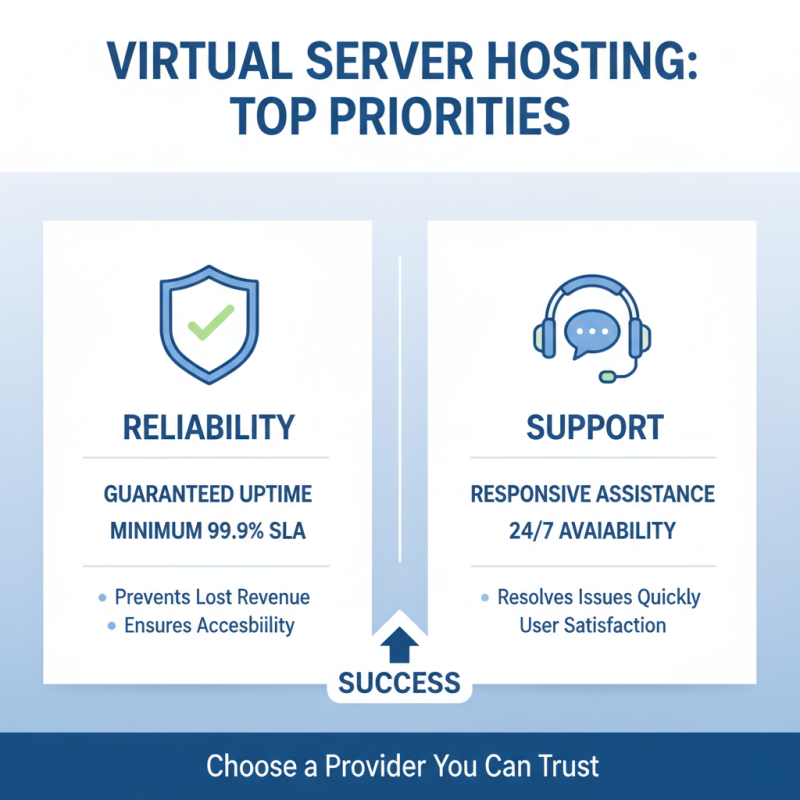
Also, evaluate the uptime guarantees. A high uptime percentage is essential for your website accessibility. Any downtime can lead to losses. Furthermore, consider security features like firewalls and DDoS protection. Security breaches can be costly and damaging to your reputation. Take time to reflect on these factors when selecting a virtual server. The right choice can make a significant difference in your online presence.
Cost Considerations: Balancing Quality with Budget Constraints
When considering virtual server hosting, cost plays a crucial role. A study shows that 59% of businesses cite budget as their primary concern. Finding a balance between cost and quality is essential. A lower price often means limited features and support. For instance, a service lacking dedicated resources may lead to slow performance during peak traffic. This can hurt user experience and ultimately revenue.
It's vital to review what features you really need. Many providers offer scalable solutions. This means you can adjust resources as your business grows. Research indicates that 70% of enterprises have faced unexpected costs due to mismanaging resources. Plan for potential spikes in usage to avoid this trap.
While some may opt for the cheapest option, it’s critical to ensure the server meets your performance needs. Performance metrics should be a top priority. A poor-performing server can lead to downtime, which affects customer trust. Always weigh the initial savings against potential long-term costs from disruptions. Remember, the cheapest solution today can lead to higher expenses tomorrow.

 Overwhelmed? We're here to help.