
Overwhelmed? We're here to help.

7 Tips for Choosing 4x3 Thermal Labels

Choosing 4x3 Thermal Labels seems simple until a barcode fades, an adhesive lifts, or a roll jams inside the printer. The correct size is only the starting point. Label material, printer compatibility, adhesive strength, winding direction, and storage conditions can affect every shipment. A label that works perfectly in a clean warehouse may fail inside a refrigerated truck.

Packaging industry analyst Cary Sherburne offers a useful principle: “A label succeeds only when it performs at the point of use.” That idea matters when comparing direct thermal and thermal transfer options. Direct thermal labels suit short-term shipping and inventory tasks. Thermal transfer labels usually provide stronger resistance against heat, moisture, abrasion, and sunlight. Still, neither option is automatically best.

This guide explores seven practical tips for choosing 4x3 thermal labels with fewer costly surprises. You will examine printer settings, roll cores, outside diameters, adhesive types, surface materials, and print durability. Small details matter. A three-inch core may not fit every desktop printer. A freezer-grade adhesive may be unnecessary for ordinary cartons. A glossy surface can also reduce scanning reliability under bright warehouse lights.

Some recommendations may seem obvious. They are easy to overlook. I have seen purchasing decisions focus on price while ignoring waste, reprints, and downtime. That approach deserves reconsideration. The cheapest roll is not always the lowest-cost option. Testing one sample case, one adhesive, and one full print cycle can reveal problems before they spread across hundreds of packages.
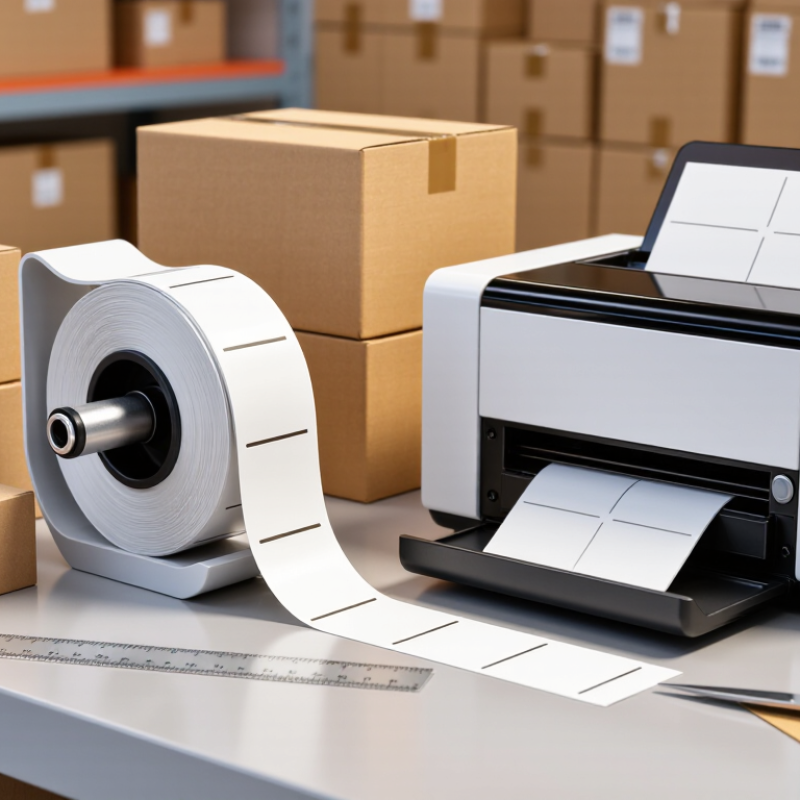
7 Tips for Choosing 4x3 Thermal Labels

Understanding 4x3 Thermal Label Types and Printing Methods

A 4x3 thermal label measures four inches wide and three inches tall. That size suits shipping, inventory, shelf, and sample identification tasks. The label type determines durability more than its dimensions. Direct thermal stock darkens through heat, so it needs no ribbon. It prints quickly and keeps setup simple. However, sunlight, heat, and friction can fade the image. Use it for short-term indoor workflows. Thermal transfer stock uses a ribbon to create a more durable mark. It handles abrasion, moisture, and longer storage better. The ribbon adds cost and another possible failure point.

Before choosing, check the adhesive, liner, and core size. A freezer label needs adhesive tested for cold surfaces, not ordinary permanent glue. Textured cartons may need stronger adhesion. A smooth label can still fail. Printer method matters too. Direct thermal printers require matching heat settings and compatible media. Thermal transfer printers need the correct ribbon width and coating direction. Match the printer’s maximum width, sensor type, and resolution with the 4x3 roll. A gap sensor may misread a black-mark label. That mistake wastes labels quickly.

Run a small test before ordering cases. Print dense barcodes, fine text, and a blank margin. Inspect the first and last labels for shifting or fading. In practical testing, storage is often overlooked; humidity can curl liners and weaken adhesive performance. Keep rolls sealed, level, and away from direct heat. Printer calibration is not optional. Still, even careful testing may miss seasonal conditions. Recheck performance when temperatures or surfaces change.

7 Tips for Choosing 4x3 Thermal Labels - Understanding 4x3 Thermal Label Types and Printing Methods

Tip Key Dimension or Factor Label Type Printing Method What to Check Before Choosing Typical Use and Practical Guidance
1 Label size: 4 × 3 in
Approx. 101.6 × 76.2 mm
Standard format
Rectangular adhesive label
Direct thermal or thermal transfer Confirm that the printer supports the 4-inch width and that the label height fits the available print area. Allow room for margins, gaps, and any required quiet zone around barcodes. Useful for shipping information, inventory identification, product details, and internal tracking. The actual printable area is slightly smaller than the physical label.
2 Surface and material Paper
Coated or uncoated stock
Direct thermal or thermal transfer Choose a smooth, clean surface with adhesive suitable for the substrate. Check resistance to moisture, abrasion, sunlight, chemicals, and temperature changes when relevant. Paper is economical for ordinary indoor labeling. Synthetic films are generally more suitable when labels may encounter water, friction, oils, or outdoor exposure.
3 Image durability Direct thermal
Heat-sensitive material
Thermal printhead applies heat directly to the label No ribbon is required, but the label should be tested for exposure to heat, direct sunlight, plasticizers, and prolonged storage. Image life depends on the material and environment. Good for short-term shipping, receipts, tickets, and temporary identification. It may darken or fade when exposed to high heat, strong light, or abrasion.
4 Long-term print stability Thermal transfer
Ribbon-based material
Heated printhead transfers ink from a ribbon to the label Match the ribbon type to the face stock and required resistance. Check ribbon width, winding direction, core size, and whether the printer accepts the selected ribbon configuration. Suitable for durable inventory, asset, laboratory, shelf, and outdoor labels. It normally provides better resistance to abrasion and environmental exposure than direct thermal printing.
5 Adhesive performance Permanent
Removable or freezer-grade alternatives
Compatible with either thermal method, depending on the face material Evaluate the application surface, surface energy, temperature at application, storage temperature, and desired removal behavior. Adhesion can be weaker on dusty, curved, rough, or oily surfaces. Permanent adhesive is common for cartons and long-term identification. Removable adhesive is preferable when residue or surface damage must be minimized; cold applications require a suitable low-temperature adhesive.
6 Barcode and print quality Barcode-ready
High-contrast thermal stock
Direct thermal or thermal transfer with correct darkness and speed settings Use a high-contrast, unwrinkled surface. Keep the barcode within the printable area, preserve its quiet zones, and verify readability with a scanner after printing. For logistics and inventory labels, a clear barcode is more important than maximum darkness. Excessive heat or pressure can spread narrow bars and reduce scan reliability.
7 Printer and roll compatibility Roll, fanfold, or sheet
Gap, black-mark, or continuous stock
Printer sensor detects the label format Check media width, roll outer diameter, core diameter, winding direction, label gap or black mark, print speed, and sensor position. Calibrate the media before production use. Gap labels are common for individually separated 4 × 3 in labels. Black-mark or continuous media requires compatible sensing and software settings to prevent skipped labels or registration errors.
Size reference: A 4 × 3 inch label is approximately 101.6 × 76.2 mm. Actual results depend on the printer, media construction, adhesive, ribbon, storage conditions, print settings, and application surface. Always perform a representative print-and-adhesion test before placing a large order.

Checking Printer, Roll, and Core Size Compatibility

A 4x3 thermal label is useful only when its printer, roll, and core match precisely. Start by checking the printer’s approved media width and maximum roll diameter. A 4-inch label may still fail if its liner exceeds the feed path.

Tip 1: Measure the actual label width, not just the advertised size.
Tip 2: Confirm the printer uses direct thermal or thermal-transfer media. The wrong coating can produce pale text, smearing, or poor barcode contrast.

Core size deserves equal attention.

Tip 3: Measure the cardboard core’s inner diameter with calipers. Common cores include 1 inch and 3 inches, but assumptions cause expensive returns.
Tip 4: Check the roll’s outside diameter and winding direction.
Tip 5: Match the gap, continuous, or black-mark sensor setting. GS1 General Specifications, Release 24.0, identifies typical retail barcode X-dimensions between 0.264 and 0.660 millimeters. A crowded 4x3 layout can reduce scan reliability. Keep quiet zones clear.
Tip 6: Test one roll before ordering cartons. Print fifty labels and inspect the first, middle, and final labels. ISO/IEC 15416 rates linear barcode quality from 0 to 4, giving a practical quality check.
Tip 7: Recalibrate after changing liner thickness or roll tension. In my experience, a roll can fit mechanically but still drift during feeding. That detail is easy to miss.

Measure twice, and document the tested core, outer diameter, sensor mode, and print darkness for repeatable purchasing.

Choosing the Right Label Material and Adhesive

A 4x3 thermal label is not just a size choice. Material and adhesive determine scan quality, shelf life, and delivery performance. Pitney Bowes’ 2024 Parcel Shipping Index recorded 21.5 billion U.S. parcels in 2023. That volume exposes weak label decisions quickly.

Tip 1: Match the face material to printer type. Direct thermal paper suits short-term shipping labels. It may darken under heat, sunlight, or friction. Thermal-transfer stock offers better durability with compatible ribbon printing.

Tip 2: Choose coated stock for sharper barcodes.

Tip 3: Use synthetic material for condensation, abrasion, or outdoor handling. A freezer label needs more than “water-resistant” wording.

Tip 4: Select permanent adhesive for cartons and smooth plastic.

Tip 5: Choose removable adhesive when clean removal matters.

Tip 6: Test adhesion on corrugated cardboard, recycled cartons, and dusty surfaces.

Smithers’ 2024 label market outlook identifies pressure-sensitive labels as the leading label format, but performance still varies by substrate. Tip 7: Request peel testing at actual temperatures. ASTM D3330-style peel testing can reveal failures missed during room-temperature checks.

I have seen labels pass a bench test, then lift inside a cold truck. That result deserves a second look.

Also check roll winding, core size, and liner release. A perfect adhesive cannot fix poor printer calibration.

Evaluating Print Quality, Durability, and Storage Conditions

7 Tips for Choosing 4x3 Thermal Labels

When selecting 4x3 thermal labels, print quality deserves a practical test, not a quick glance. Print a dense barcode and small text at the intended speed. Inspect the edges under normal warehouse lighting. Fuzzy bars can cause failed scans, even when the label looks acceptable. I also check the first and last labels from a roll. Heat distribution may change during a long run. A darker image is not always better. Excess heat can blur fine lines and waste energy.

Durability depends on the working environment. For cartons exposed to friction, choose a surface that resists smearing and tearing. Test labels against dust, condensation, and repeated handling before ordering in bulk. A simple trial helps. Rub a printed label with a dry glove, then use a slightly damp cloth. If the barcode fades or lifts, the material may be too weak for the task. This test is basic, but it reflects real handling better than a product sheet. My own checks are imperfect. I still miss variables. Outdoor exposure or chemical contact may require specialist validation.

Storage conditions can quietly damage unused rolls. Keep them sealed in a cool, dry room, away from sunlight and heaters. Avoid placing heavy boxes on the rolls; pressure can deform their cores. Allow cold materials to reach room temperature before printing. Moisture can affect adhesion and create uneven feeding. Record storage dates and inspect a sample before production. Checks prevent rework.

Comparing Costs, Packaging, and Supplier Reliability

Choosing 4x3 thermal labels involves more than comparing the price per roll. Tip one: calculate the landed cost, including shipping, damaged rolls, and unusable labels. Tip two: check the actual label count. A cheaper roll may contain fewer labels. Tip three: test several samples in your printer before ordering in volume. Poor heat sensitivity can create faint barcodes and wasted packaging.

Packaging deserves close attention. Tip four: inspect the carton strength, inner wrapping, and moisture protection. Labels stored near a loading door may curl after one damp week. Tip five: confirm how rolls are packed and labeled. Consistent cores, winding direction, and carton markings reduce packing-line delays. Small details matter. I once focused too heavily on unit price and overlooked crushed rolls. That decision looked efficient, but it created extra handling work.

Supplier reliability is harder to measure, so use evidence. Tip six: ask for production specifications, inspection records, and a realistic lead-time range. Reliable suppliers communicate delays before your stock becomes critical. Tip seven: confirm replacement procedures and keep a modest backup supply. Do not rely on promises alone. Request a trial order and compare print clarity, adhesive performance, and roll consistency. A supplier may pass one test and still vary between batches. Review results after each delivery. That habit takes time, but it exposes problems before they reach customers.

7 Tips for Choosing 4×3 Thermal Labels

Comparing cost, packaging efficiency, and supplier reliability

Larger rolls generally reduce the cost per 1,000 labels because packaging and freight are spread across more labels. The benchmark uses typical planning ranges for direct-thermal 4×3 labels: material and conversion, core and packaging, freight allocation, and expected on-time delivery. Confirm adhesive performance, printer compatibility, sample quality, reorder lead time, and service terms before placing a volume order.

Have questions? We'll help answer all of them. CONTACT SUPPORT
CHAT WITH SALES