2026 How to Choose the Best Storage Dedicated Servers for Your Needs?
In the rapidly evolving digital landscape, choosing the right storage dedicated servers is crucial for businesses. Expert Thomas Schulz, a leading voice in data management, once stated, "The right server can determine the success of data-heavy applications." This encapsulates the importance of making informed decisions.
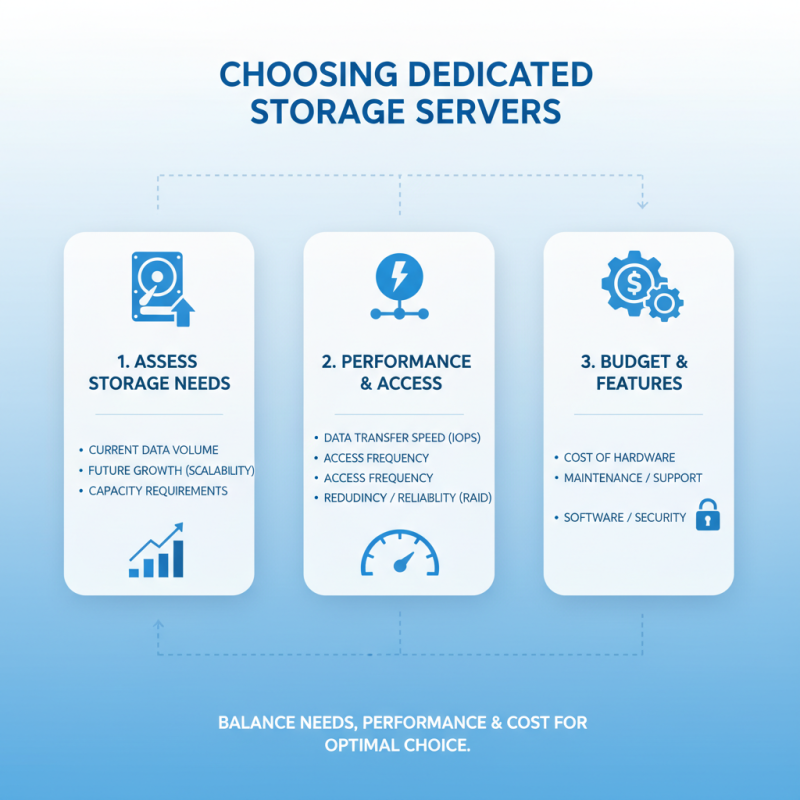
When selecting storage dedicated servers, you must consider various factors. Performance, scalability, and data security play significant roles. Businesses must also reflect on future growth. Choosing a server that cannot adapt may lead to costly upgrades later.
Visualize your needs clearly. What is the volume of data? Are you managing large databases or high-traffic websites? These specifics guide your choices. Failing to address these can result in wasted resources. Your server should not overburden you or your budget. Reflecting on these elements is key to success.
Understanding Dedicated Servers and Their Benefits
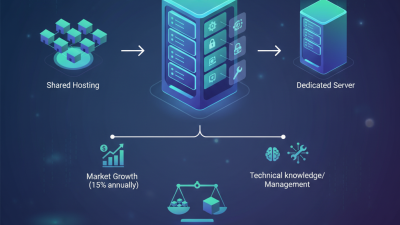
Dedicated servers are powerful solutions for businesses that require
reliability and performance.
They provide exclusive use of hardware resources, meaning no other clients share your server. This ensures
faster load times and smoother user experiences. With dedicated servers, you have complete control over
configurations. You can customize the software environment to meet specific needs.
One key benefit is enhanced security. Since you are the sole user,
risks of data breaches from neighboring servers are greatly reduced. It’s easier to implement security protocols tailored
to your requirements. However, it’s important to consider the complexities of management. Without proper expertise,
maintaining a dedicated server can be overwhelming. Technical issues can arise unexpectedly,
causing potential downtime.
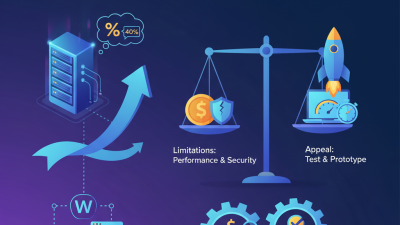
Cost is another factor to reflect on. Dedicated servers can be more expensive than shared hosting. Businesses
with limited budgets may struggle to justify the cost. Finding the right balance between performance and expenditure is crucial.
With careful evaluation, it is possible to identify a solution that aligns with your goals. Understanding the nuances of dedicated
servers can make all the difference in your decision-making process.
Comparing Different Types of Storage Options for Dedicated Servers
When selecting storage options for dedicated servers, consider various types carefully. Solid-state drives (SSDs) offer high speed. They enable faster data access and improved performance for applications. However, SSDs can be expensive. Hard disk drives (HDDs) are cost-effective and provide massive storage capacity. But, they are slower than SSDs. Think about your needs when choosing between these two.
Hybrid storage solutions combine SSDs and HDDs. This setup leverages the speed of SSDs and the affordability of HDDs. It's a flexible choice for businesses with diverse workloads. However, managing a hybrid system can be complex. It's essential to weigh the benefits against potential challenges.
Tips: Always assess your data access patterns. If your applications require fast load times, SSDs are often the best choice. Conversely, if your focus is on archiving data, HDDs might suffice. Don't forget to consider future growth. Your storage needs may evolve, and scalable solutions are worth exploring.
Analyzing Performance Metrics for Storage Dedicated Servers
When selecting a storage dedicated server, analyzing performance metrics is crucial. Speed is one of the top metrics. It often depends on the type of storage. SSDs provide swift access times. HDDs, however, are slower but offer larger capacities. Finding the right balance is key.
Another important metric is storage capacity. Evaluate your data needs. Do you require a lot of space? Or is speed your primary concern? Consider your future needs too. It’s common to underestimate growth. A server that seems adequate today may not suffice tomorrow.
Don't overlook reliability. Uptime is vital. Downtime affects operations. Read reviews and testimonials for insights. Sometimes, user experiences reveal hidden issues. In the realm of storage servers, choices can be daunting. Making informed decisions begins with understanding the metrics. Reflect on what matters most for your specific requirements.
Cost Considerations and Budgeting for Dedicated Server Solutions
When budgeting for dedicated server solutions, understanding costs is crucial. A recent industry report states that dedicated server prices typically range from $100 to $500 monthly, depending on the configuration. This offers various options suitable for different needs, whether it's small-scale operations or large enterprises.
Consider additional expenses like bandwidth and storage. Bandwidth costs can increase significantly if your server handles substantial traffic. It is vital to analyze your expected data transfer to avoid unexpected charges later. Storage costs can also vary. Solid-state drives (SSDs) may offer faster performance, but they come at a premium compared to traditional hard drives.
A thoughtful budget considers all these factors. Overspending isn't wise, but compromising too much may lead to performance issues. Many businesses have regretted choosing low-cost options that hinder their growth. Balancing cost-efficiency with performance is critical to making informed choices. Review your actual needs and future scalability. Aim for a server that adapts to your changing requirements while staying within a realistic financial plan.

 Overwhelmed? We're here to help.