In today’s competitive digital landscape, businesses rely heavily on robust IT infrastructure. One solution that stands out is dedicated servers. These servers provide businesses with unique advantages that go beyond typical hosting options. When companies choose dedicated servers, they gain enhanced control over their resources, better performance, and increased security.
Dedicated servers are not merely boxes in a data center; they represent a tailored solution for specific business needs. For organizations handling sensitive data, dedicated servers offer a secure environment. They reduce the risk of data breaches and allow for customized security measures. Moreover, performance issues often arise with shared hosting solutions. Dedicated servers can alleviate this by providing dedicated resources solely for one business. This results in faster load times and improved user experience.
However, dedicated servers come with their own set of challenges. Not every business needs the full capacity of a dedicated server. Costs can be a concern as well. Therefore, companies should evaluate their specific requirements before making the switch. A dedicated server could be an investment that pays off in efficiency and security, but it is not the right choice for everyone.

Dedicated servers play a crucial role in modern business operations. They offer a unique environment tailored to specific needs. With dedicated resources, businesses can ensure optimal performance. This setup prevents slowdowns caused by other users. Each server is exclusively allocated, providing powerful capabilities.
Moreover, dedicated servers enhance security. Companies can implement custom security protocols. This level of control helps protect sensitive data. Businesses often face threats, and a dedicated server adds an extra layer of defense. Customization is another significant benefit. Organizations can install specific software and applications that fit their workflows.
However, managing a dedicated server can be challenging. It requires technical expertise that not all businesses possess. Some companies may underestimate the maintenance involved. Regular updates and monitoring are essential to keep the server running smoothly. This reality calls for careful consideration before making a commitment. It’s essential to evaluate whether the benefits align with the business goals.

Dedicated servers can dramatically enhance performance and speed for businesses. According to a recent study by TechRadar, dedicated servers can improve website loading speeds by up to 50%. This quick response time can reduce bounce rates significantly, leading to higher user engagement and conversion rates. With a dedicated server, your resources are not shared with others, allowing for consistent performance.
Another report by HostingAdvice notes that dedicated servers handle larger volumes of traffic efficiently. This scalability can support business growth without compromising on service quality. Companies that shift to dedicated servers see an average uptime improvement of 99.98%. This reliability means fewer interruptions and a better user experience. However, the initial investment can be a concern for smaller businesses. The long-term benefits often outweigh the costs, but careful budget assessments are vital.
Businesses must also consider ongoing maintenance and management needs. Hiring a qualified team for server management is crucial. Without it, potential security vulnerabilities may arise. A dedicated server can offer superior performance, but only if managed effectively. Businesses should regularly review their server performance and adapt as necessary. It's essential to stay proactive to truly harness the benefits of dedicated server solutions.
| Benefit | Description | Impact on Business |
|---|---|---|
| Improved Performance | Dedicated servers provide optimal performance for resource-intensive applications. | Increased efficiency and response time for users. |
| Enhanced Security | Dedicated servers allow for stronger security protocols and customization. | Reduced risk of data breaches and compliance with regulations. |
| Full Control | Complete control over the server's environment and configurations. | Flexibility to adapt to changing business needs. |
| Scalability | Easily scale resources up or down based on demand. | Support growth without significant downtime. |
| Cost-Effectiveness | Reduced long-term costs compared to multiple shared resources. | Improved budget management and ROI. |
| Customization | Ability to tailor the server configuration to specific business needs. | Optimized performance and functionality. |
| Better Support | Access to dedicated technical support for quicker issue resolution. | Minimized operational disruptions and downtime. |
| Improved Load Handling | Higher capacity to handle traffic spikes without performance degradation. | Enhanced user experience during peak times. |
| Enhanced Backup Solutions | More efficient data backup and recovery processes. | Increased data availability and disaster recovery. |
| Increased Stability | Dedicated resources lead to fewer crashes and downtime. | Consistent availability for critical applications. |
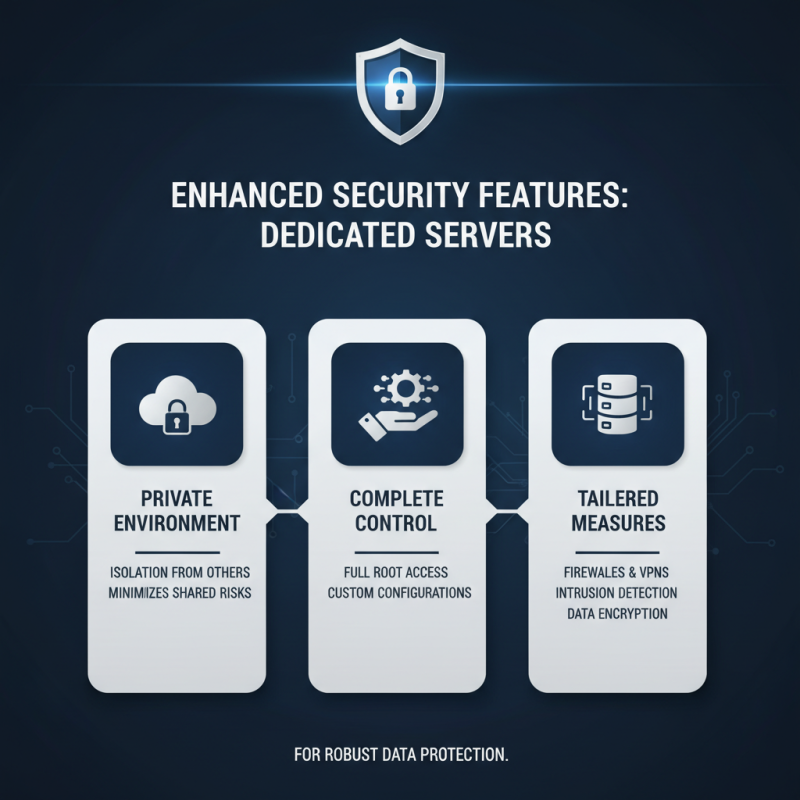
Dedicated servers offer enhanced security features that are vital for data protection. With a dedicated server, your business benefits from a private environment. This isolation minimizes risks associated with shared hosting. You have complete control over your server settings, enabling tailored security measures.
Implementing robust firewalls is essential. They act as a barrier between your server and external threats. Regular updates and patches are crucial to safeguard against vulnerabilities. Always monitor your server logs for unusual activity. This proactive approach helps identify potential breaches early.
Encryption is another vital tool. It protects sensitive data during transmission. In an era of increasing cyber threats, using encryption for data at rest and in transit is non-negotiable. Also, consider multi-factor authentication for user access. It adds an extra layer of protection.
Staying informed about the latest security threats is necessary. Engage with cybersecurity experts to ensure your strategies are current. A dedicated server requires ongoing evaluation. Assess your security protocols regularly and make improvements where necessary. This continuous effort can significantly enhance your overall data protection strategy.
Scalability is a crucial aspect of a dedicated server. Businesses often experience fluctuating demands. A dedicated server allows you to adjust resources based on your current needs. This flexibility helps maintain performance, even during peak times. You can scale up or down as required, ensuring efficiency and cost-effectiveness.
When considering scalability, think about your growth trajectory. Are you planning to expand? If so, choose a dedicated server that offers easy upgrades. Opt for customizable resources. This way, you can tailor your server configurations to match evolving requirements.
Tip: Regularly assess your resource usage. Identify any areas of waste or underutilization. This can provide insights into scaling your server efficiently. Remember, a scalable solution should not only fit your current needs but also anticipate future growth. Balancing these aspects can be a challenge. Stay proactive in monitoring your performance metrics to make informed decisions.
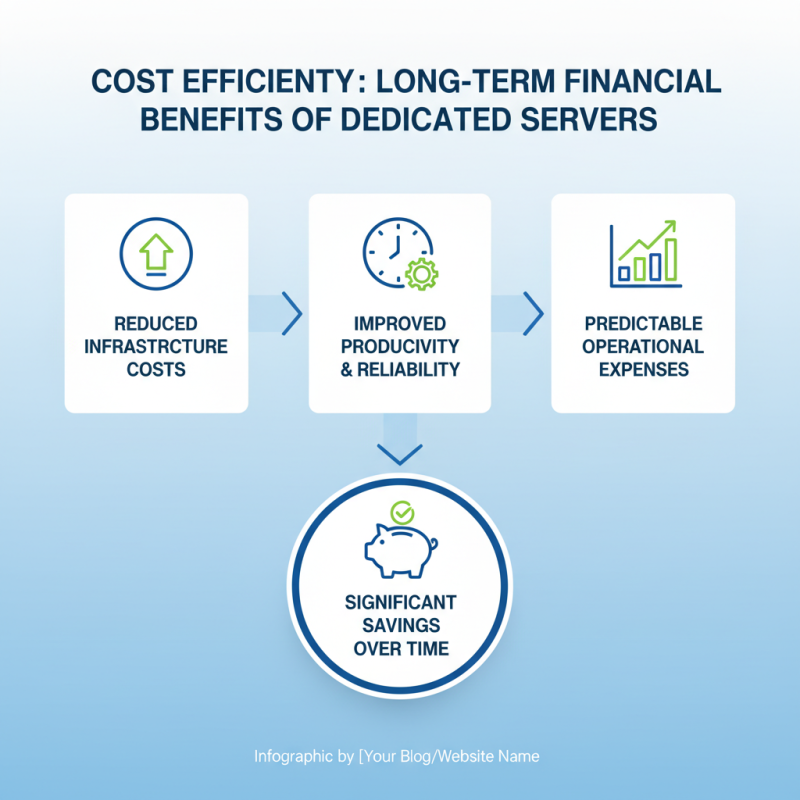
Dedicated servers can significantly enhance your business's cost efficiency. When investing in dedicated servers, companies often observe reduced long-term infrastructure costs. Unlike shared solutions, dedicated servers ensure reliable performance and fewer downtimes, which translates to improved productivity. A company’s operational expenses become predictable, making budget planning easier.
For many businesses, upfront costs can be daunting. However, the value gained from dedicated servers often outweighs initial investments. High-performance hardware leads to faster processing times and better resource allocation. Over time, these benefits add up, leading to overall savings. Proper maintenance also plays a crucial role. Regular updates and proactive management prevent costly issues down the road.
Consider the flexibility that dedicated servers offer as well. They can be tailored to fit specific business needs. This adaptability can eliminate unnecessary expenses on features that are not used. Investing in dedicated servers also means enhanced security, reducing risks associated with data breaches. Businesses must reflect on whether their chosen infrastructure aligns with their growth strategies, ensuring that every dollar spent contributes to long-term success.