2026 Top DDoS Protected Hosting Options for Optimal Website Security
In the digital age, website security is paramount. DDoS attacks pose a significant threat to businesses and individuals alike. As online presence grows, so does the risk of disruption. This has led to the rising demand for DDoS protected hosting solutions. By investing in robust hosting options, website owners can enhance their defenses.
DDoS protected hosting not only mitigates attacks but also ensures smooth site operation. Choosing the right provider is critical. Factors such as reliability, speed, and customer support play essential roles. Many options are available, each boasting unique features and benefits. However, not all hosting services are equally effective.
Navigating the landscape of DDoS protection can be challenging. Businesses must assess their needs carefully. Some solutions might overpromise and underdeliver. Understanding what works best for different scenarios is vital. Reflecting on these aspects can help in making informed decisions and protecting online assets effectively.

Top DDoS Attacks Statistics: Understanding the Growing Threat Landscape
The rise of DDoS attacks is alarming. A recent report indicates that 2022 witnessed a 35% increase in DDoS attacks compared to the previous year. This trend shows no signs of slowing down. As more businesses move online, attackers are evolving their tactics. The average attack duration now exceeds 30 hours, causing significant downtime for many organizations.
Statistics reveal that over 70% of businesses experience some form of DDoS attack. This creates a tough landscape for website security. Attackers target various industries, from finance to e-commerce. In fact, research shows that a staggering 20% of all attacks are aimed at the retail sector during peak shopping seasons. This highlights the need for robust DDoS protection services.
Many organizations mistakenly believe that they are immune to such attacks. They underestimate the impact these incidents can have. A single successful attack can lead to substantial financial losses and damage to customer trust. As the threat landscape continues to evolve, staying informed is vital for all businesses. Ignoring this growing threat can mean disaster in today’s digital world.
Key Features of DDoS Protected Hosting Services in 2026
In 2026, effective DDoS protection is crucial for website security. The increase in cyber attacks demands advanced hosting solutions. Recent studies show that DDoS attacks will grow by over 25% annually. This means businesses must invest in robust protection.
Key features of DDoS protected hosting services include real-time monitoring. This feature allows for immediate detection of potential threats. Proactive mitigation is essential; responding fast can prevent downtime. Many providers now offer traffic scrubbing. It filters out malicious data before it reaches your server, boosting resilience.
However, not all services are equal. Cost can often limit security options for small businesses. Some may integrate basic protection but lack proper bandwidth. It's vital to assess your needs, as security should not come at the expense of performance. Inadequate protection can lead to severe reputational damage. Companies need to consider both budget and security comprehensively.
2026 Top DDoS Protected Hosting Options for Optimal Website Security
| Hosting Option |
Protection Level |
Bandwidth Capacity |
Pricing (Monthly) |
Key Features |
| Option A |
High |
10 Gbps |
$200 |
24/7 Support, Multi-layered Security |
| Option B |
Medium |
5 Gbps |
$150 |
Advanced Threat Detection, Load Balancing |
| Option C |
Low |
1 Gbps |
$100 |
Basic Protection, Firewall |
| Option D |
High |
15 Gbps |
$250 |
DDoS Mitigation, Custom Solutions |
Comparative Analysis of Top DDoS Protection Providers in the Industry
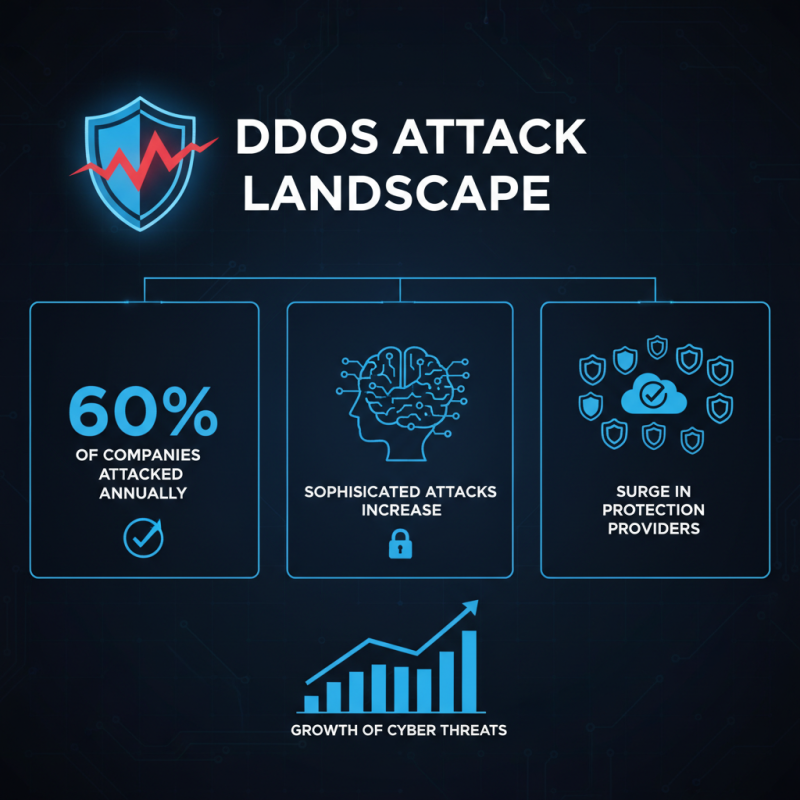
In the current digital landscape, DDoS attacks pose a severe threat to online businesses. Research indicates that a staggering 60% of companies experience some form of DDoS attack annually. The challenge is immense, with attackers becoming increasingly sophisticated. This has led to a surge in DDoS protection providers, all claiming the best security.
When evaluating DDoS protection options, focus on metrics such as response time and mitigation capacity. Effective services can mitigate attacks within minutes, reducing downtime and loss. Some reports show that companies employing robust DDoS defenses experience up to 90% less downtime compared to those without. However, not all providers deliver consistent performance. It's crucial to analyze third-party evaluations and user feedback to make informed decisions.
Additionally, some services may come with hidden costs or inadequate support. Customers often overlook the importance of comprehensive support during an attack. Around 30% of companies regret their choice of DDoS protection after experiencing an attack. They find that customer service responsiveness is as critical as the technology itself. It highlights the need for a well-rounded evaluation beyond just technical specifications.
Cost-Benefit Analysis of Investing in DDoS Protection for Websites
Investing in DDoS protection is crucial for website security. These attacks can paralyze online services. For businesses, the downtime can result in lost sales and reputation damage. The financial impact may far outweigh the cost of robust protection. Many small businesses overlook this aspect. They assume that they won’t be targeted. However, even smaller websites are at risk.
Consider the potential costs. A single hour of downtime can translate to thousands in lost revenue. Businesses could also face expensive recovery processes. The stress of a DDoS attack is significant. Constant anxiety about possible disruptions can drain resources. Investing in a solid DDoS protection solution can ease these worries. However, not all solutions are created equal. Some may fancy features that don’t always deliver value.
Evaluating the return on investment (ROI) is vital. Businesses must analyze their specific needs. A one-size-fits-all approach doesn’t work here. It’s essential to reflect on the potential risks versus financial implications. The right protection can empower, while inadequate measures may leave websites vulnerable. Evaluating options and expenses can lead to better security performance overall.
2026 DDoS Protection Cost-Benefit Analysis
The chart above illustrates the annual costs associated with various levels of DDoS protection for websites. Investing in higher levels of protection increases security against potential DDoS attacks, but also raises costs significantly.
Best Practices for Enhancing Website Security Against DDoS Attacks
DDoS attacks pose a significant threat to website security. They can cripple a site's performance and access. Implementing best practices is crucial. One effective method is to adopt a multi-layered defense strategy. This strategy involves combining firewalls, intrusion detection systems, and rate limiting. Together, these measures can absorb and mitigate attack traffic.
Regularly updating software and security protocols is another vital step. Outdated systems are vulnerable to exploits. Monitoring traffic patterns helps identify abnormal spikes, signaling potential attacks. Using automated tools can streamline this process, allowing quicker responses. Employee training is essential too. Ensuring that staff recognizes phishing attempts and social engineering tactics can fortify the overall system.
Investing in backup solutions is often overlooked. Regular backups prevent data loss during attacks. Interestingly, many organizations neglect to test their backup systems regularly. This oversight can lead to failure when recovery is needed most. Engaging expert consultations for regular security audits helps identify weaknesses. These reflections can drive significant improvements in overall security posture.

 Overwhelmed? We're here to help.