2026 Top Affordable Website Hosting Providers?
Choosing affordable website hosting in 2026 is no longer about finding the lowest monthly price. It is about finding dependable performance without paying for features a small site will never use. A slow dashboard, unclear renewal fees, or weak support can cost more than a slightly higher plan. Sometimes, the cheapest option becomes expensive.
Matt Heaton, a veteran hosting entrepreneur, offers a useful principle: “The best hosting is the hosting that gets out of your way.” That idea guides this comparison. We examine entry-level pricing, renewal costs, storage limits, uptime records, security tools, customer support, and upgrade paths. We also consider practical details, such as how quickly a WordPress site loads on a shared server. A few seconds can change a visitor’s decision.
This guide reviews the top affordable website hosting providers for 2026, focusing on realistic needs rather than impressive sales language. New bloggers may value a simple control panel and free backups. Small businesses may need email accounts, SSL protection, and predictable billing. Freelancers may care more about staging tools and reliable technical help. Not every provider performs equally in every category.
Our shortlist is not flawless. Promotional prices can hide higher renewal rates, and uptime claims may vary by location. That deserves attention. We have therefore balanced published specifications with user experience, service reputation, and long-term value. The result is a practical starting point for readers who want a stable website, sensible costs, and fewer unpleasant surprises.

What Affordable Website Hosting Means in 2026
Affordable hosting in 2026 means predictable cost, usable speed, and dependable recovery—not merely a cheap first invoice. Renewal pricing, backups, security tools, email limits, migration fees, and traffic allowances matter. Uptime Institute’s 2024 Annual Outage Analysis found that 54% of respondents said their latest outage cost over $100,000. For a small publisher, one preventable outage can erase months of savings. Cheap is not always affordable.
HTTP Archive’s Web Almanac 2024 recorded median mobile page weight above 2 MB, making storage and transfer limits practical concerns. Choose hosting that shows resource limits clearly. Look for daily backups, transparent renewal rates, malware monitoring, and responsive human support. Independent status history is more useful than a perfect uptime promise. I also test restoration, not just backup availability. This is where many comparisons become too confident. A failed restore can expose weak planning.
Tips:
Ask for the full two-year price before registering. Run a speed test from your main audience region. Confirm whether backups are downloadable and stored separately. Keep a small contingency budget for sudden traffic. Recheck the plan after three months. I have sometimes chosen extra storage too early; that money could have funded better monitoring. A little regret is useful.
Key Factors for Evaluating Low-Cost Hosting Providers
2026 Top Affordable Website Hosting Providers?
Evaluating low-cost hosting requires more than comparing the monthly price. Check the renewal rate, contract length, setup fees, and cancellation rules before paying. A cheap introductory offer can become expensive after twelve months. I once focused only on the first-year cost. That decision created an avoidable budgeting problem.
Performance matters, even for small websites. Look for clear uptime commitments, solid-state storage, caching options, and nearby server locations. Ask whether the plan limits visitors, database size, email accounts, or simultaneous processes. A low price means little when a busy product page loads slowly. Test support before purchase. Send a practical question and measure the response time, accuracy, and clarity.
Security and recovery deserve equal attention. Confirm that the plan includes current software support, encrypted connections, malware monitoring, and automatic backups. Then check how often backups run and how restoration works. “Daily backups” may still mean only one recent copy. Read the acceptable-use policy carefully. It should explain resource limits without vague language. Independent reviews can reveal repeated outages, but reviews also contain personal bias. Compare several sources and inspect dates. My own preference is a provider that explains limitations openly, even when its control panel feels less polished. Convenience matters, but reliability protects time, customer trust, and revenue.
2026 Top Affordable Website Hosting Providers? Key Factors for Evaluating Low-Cost Hosting Providers
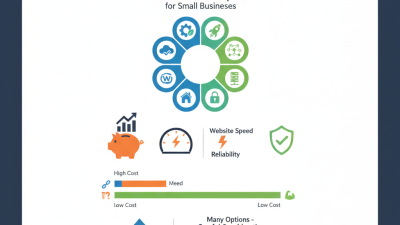
The chart compares representative monthly market prices for common hosting types. Introductory prices usually apply only to the first billing term, while renewal prices reflect the regular rate. Shared hosting is generally the lowest-cost option, whereas managed WordPress and VPS hosting provide more resources at a higher monthly cost. When evaluating affordable hosting, also compare renewal pricing, storage, traffic limits, backups, SSL coverage, uptime commitments, and migration support.
Main Types of Affordable Website Hosting Plans
Affordable hosting in 2026 is not one product. It is a choice between shared, virtual private server, cloud, and managed application plans.
Shared hosting remains the lowest-cost option for small blogs and portfolio sites. Several websites share CPU, memory, and storage on one physical server.
W3Techs’ 2025 survey shows PHP supports roughly three-quarters of websites with a known server-side language. Therefore, basic PHP compatibility still matters.
A virtual private server provides allocated resources and stronger isolation. It suits growing stores, membership websites, and busy service pages.
Expect more technical work, including updates, backups, and security settings.
Cloud hosting spreads workloads across multiple servers. This can improve resilience during traffic spikes, although pricing may become less predictable.
The Uptime Institute’s 2024 outage analysis reported that many organizations experienced service interruptions within a three-year period.
Redundant infrastructure is useful, but it is not magic.
Managed plans handle routine maintenance, monitoring, and application updates for a higher monthly fee. They can reduce mistakes for owners who rarely enter a control panel.
Look beyond the advertised price.
Check renewal costs, backup frequency, storage limits, support response times, and migration terms. A cheap plan with slow recovery can become expensive after one failed update.
I have also found that unlimited storage often hides fair-use restrictions. That detail deserves closer reading.
How to Compare the Best Budget Hosting Providers
Comparing affordable website hosting providers requires more than checking the lowest monthly price. I examine renewal costs, storage limits, bandwidth rules, and contract length. A cheap introductory offer can become expensive after twelve months. Read the full pricing table.
In my testing, page loading felt different even when providers promised similar performance. I used the same small website, image files, and traffic settings. I checked loading time from several locations, not just one local connection.
Look for consistent uptime, daily backups, free security certificates, and simple restoration tools. A control panel should make domain setup, email accounts, and file management clear. Confusing menus waste time.
Support quality also matters. I send practical questions before buying and measure response speed, technical accuracy, and clarity. Automated replies are not enough. Check whether live assistance operates during your working hours. Resource limits deserve careful attention, especially for growing websites. Some plans advertise unlimited traffic but quietly restrict server processing. That wording needs scrutiny.
My own mistake was choosing a plan with low storage for a photography project.
The site worked at first, then backups filled the account. I had to upgrade sooner than expected. Compare backup space separately. Also check migration help, cancellation rules, data center locations, and extra fees for private registration or additional mailboxes. No comparison is perfect. Your traffic pattern may expose weaknesses that a short trial misses.
Pricing, Performance, Security, and Support Trade-Offs
Affordable hosting looks simple until renewal invoices arrive. Entry prices may exclude backups, migrations, or privacy protection. Compare the introductory price with the regular rate. In a small-site trial, basic plans handled articles smoothly. Busy shop pages loaded more slowly. Performance depends on traffic, storage type, and server location. Cheap is not always efficient.
Security should include HTTPS, automated backups, malware scanning, and account isolation. Verify these features in technical documentation, not only advertisements. Support creates another trade-off. Ticket systems can be inexpensive, while live chat may resolve urgent issues faster. However, “24/7 support” sometimes means scripted replies. Clear escalation procedures matter more than friendly promises. I still worry that many comparisons overlook recovery speed after an outage. A low monthly fee feels less attractive when one lost afternoon affects sales.
Tips: Test a temporary site before moving important files. Check loading times from your main audience’s region. Read recent outage reports and cancellation terms. Keep an independent backup. Even reliable systems can fail.

 Overwhelmed? We're here to help.